Your electrical panel is the heart of your property’s power distribution system. Whether you own a home, manage a commercial building, or oversee an industrial facility, the electrical panel plays a critical role in ensuring safe and efficient electricity flow. Despite its importance, many property owners rarely think about their electrical panel until something goes wrong. However, electrical panel upgrades are often necessary to maintain safety, meet modern power demands, and prevent costly system failures. Understanding when and why your property needs an electrical panel upgrade can protect your investment and improve overall performance.
An electrical panel, sometimes referred to as a breaker panel or distribution board, serves as the central hub that distributes electricity from the utility source to various circuits throughout the property. It houses circuit breakers that protect wiring and connected devices from overloads and short circuits. As electrical loads increase over time due to additional appliances, equipment, and technology, older panels may struggle to keep up. This is especially common in properties built decades ago, when electrical demand was significantly lower than it is today. Check out https://www.nashelectricnc.com/ for more details.
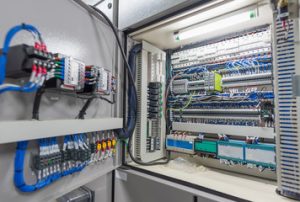
One of the most common reasons for electrical panel upgrades is insufficient capacity. Older panels were often designed for 60 to 100 amps of service, which may not be adequate for modern energy consumption. Today’s homes and commercial spaces frequently rely on high-demand equipment such as HVAC systems, electric vehicle chargers, data servers, commercial kitchen appliances, and advanced lighting systems. When your panel cannot safely support these loads, it increases the risk of breaker trips, overheating, and electrical hazards.
Several clear warning signs indicate your property may need an electrical panel upgrade:
- Frequent breaker trips or blown fuses when using multiple appliances or equipment.
- Flickering or dimming lights, particularly when large appliances turn on.
- A panel that feels warm to the touch or shows signs of corrosion or rust.
- Limited breaker space that prevents adding new circuits for expansion.
These issues suggest that your electrical system is operating at or beyond its intended capacity. Ignoring them can lead to more serious problems, including electrical fires or equipment damage.
Safety is one of the primary reasons property owners pursue electrical panel upgrades. Outdated panels may lack modern safety features designed to protect against arc faults, ground faults, and overload conditions. Advances in electrical technology have significantly improved protective devices, reducing the likelihood of dangerous electrical incidents. Upgrading to a modern panel ensures compliance with current electrical codes and enhances the overall safety of your building.
In residential properties, electrical panel upgrades are often necessary during remodeling projects. Kitchen renovations, bathroom additions, and home office installations typically require new circuits to support appliances, lighting, and outlets. If the existing panel lacks available capacity or breaker space, an upgrade becomes essential. Rather than overloading existing circuits, a new panel provides adequate distribution and protects both wiring and connected devices.
Commercial and industrial properties face even greater electrical demands. Office buildings rely on extensive lighting systems, computer networks, and climate control equipment. Retail facilities operate point-of-sale systems, refrigeration units, and security infrastructure. Industrial facilities may depend on heavy machinery and automated production lines. In these environments, electrical panel upgrades are critical to maintaining reliable operations and minimizing downtime. An overloaded panel in a commercial setting can disrupt business continuity and result in significant financial losses.
Another compelling reason for electrical panel upgrades is energy efficiency. While the panel itself does not consume large amounts of energy, outdated or poorly functioning panels can contribute to inefficiencies. Loose connections, deteriorated components, and insufficient capacity may cause voltage fluctuations and energy losses. Modern panels are designed to handle higher loads more effectively, improving system stability and supporting energy-efficient equipment. Upgrading your panel can complement other efficiency improvements, such as LED lighting, energy management systems, and high-performance HVAC equipment.
Electrical panel upgrades are also essential when integrating renewable energy systems or backup power solutions. If you plan to install solar panels, battery storage, or a standby generator, your existing panel must be compatible with these technologies. In many cases, older panels lack the necessary configuration or capacity to safely accommodate additional power sources. Upgrading ensures proper interconnection, safe load management, and compliance with utility requirements.
When evaluating whether your property needs an electrical panel upgrade, it is important to consider both current and future demands. Electrical usage tends to increase over time as technology evolves. Electric vehicle charging stations, smart home devices, and advanced security systems are becoming standard features in modern properties. Planning for future expansion prevents the need for repeated upgrades and reduces long-term costs.
The process of upgrading an electrical panel involves several key steps. First, a licensed electrician performs a thorough inspection of the existing system, assessing service capacity, wiring condition, grounding, and overall compliance with current codes. Next, load calculations are conducted to determine the appropriate panel size for your property’s needs. In many cases, upgrading from a 100-amp to a 200-amp service provides sufficient capacity for modern applications.
During installation, the old panel is carefully removed, and the new panel is mounted securely. Circuit breakers are installed, and wiring is transferred or upgraded as necessary. The electrician ensures proper grounding and bonding to meet safety standards. Finally, the system undergoes testing and inspection to confirm correct operation before being placed into service. This process must be completed by qualified professionals to ensure compliance and safety.
Beyond capacity and safety, property value is another important consideration. An updated electrical panel can increase the appeal of a property to potential buyers or tenants. Real estate transactions often involve electrical inspections, and outdated panels can become a negotiation point or even a deal breaker. A modern panel demonstrates that the property’s electrical system has been maintained and upgraded to support contemporary living or business operations.
There are specific scenarios where an electrical panel upgrade becomes especially urgent:
- Properties with fuse-based systems rather than circuit breakers.
- Panels that are more than 25 to 30 years old.
- Buildings are undergoing major renovations or equipment expansions.
- Evidence of burning smells, buzzing sounds, or visible damage near the panel.
In these situations, delaying an upgrade can pose serious safety risks. Electrical systems deteriorate over time, and older components may not withstand modern electrical loads.
It is also worth noting that insurance companies sometimes require panel upgrades for coverage. Certain outdated panel types may be considered high risk due to known safety issues. Upgrading to a modern system can help maintain insurability and reduce liability exposure.
Cost is often a concern when considering an electrical panel upgrade. While the upfront investment can vary depending on service size, labor, and required modifications, the long-term benefits typically outweigh the expense. Preventing electrical fires, reducing downtime, and accommodating future growth provide substantial value. Additionally, upgrading during planned renovations can reduce overall project costs by consolidating labor and permitting processes.
Maintenance remains important even after an electrical panel upgrade. Routine inspections, tightening of connections, and monitoring for unusual signs such as heat or noise can extend the lifespan of the system. A proactive approach to electrical maintenance ensures that your upgraded panel continues to perform safely and efficiently for years to come.
In summary, electrical panel upgrades are a critical component of maintaining a safe, efficient, and future-ready property. As electrical demands increase and technology evolves, outdated panels can become bottlenecks that compromise performance and safety. Recognizing the warning signs, planning for expansion, and investing in professional installation can protect your property and enhance its long-term value.
Whether you are managing a residential home, a commercial facility, or an industrial site, understanding when and why your property needs an electrical panel upgrade empowers you to make informed decisions. A modern electrical panel provides the capacity, reliability, and protection necessary to support today’s electrical demands while preparing your property for tomorrow’s innovations. By prioritizing electrical system upgrades, you safeguard your investment and ensure dependable power distribution for years to come.