A well-maintained home is not only more comfortable to live in but also retains its value over time. Home repair is an essential aspect of property ownership, ensuring that structural integrity, safety, and functionality are preserved. From minor fixes to major repairs, regular maintenance prevents small problems from escalating into costly issues. Whether addressing plumbing leaks, electrical issues, roof damage, or general wear and tear, proactive B&K Enterprises home repair is key to a safe and efficient living environment.
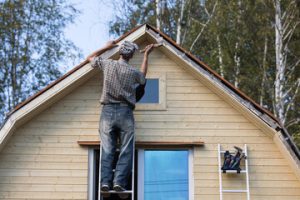
One of the primary reasons homeowners invest in home repair is safety. Over time, homes are subject to deterioration caused by weather, age, and daily use. Faulty wiring, leaky pipes, unstable structures, and malfunctioning appliances can pose significant hazards if left unaddressed. Repairing these issues promptly reduces the risk of accidents, property damage, and health concerns. For example, repairing loose floorboards or broken stair railings prevents falls, while fixing water leaks mitigates the risk of mold growth and structural damage. Prioritizing safety through timely home repairs is an investment in the well-being of everyone living in the home.
Another critical reason for home repair is maintaining functionality. Every day use can cause doors to stick, faucets to drip, or appliances to malfunction. These issues, while seemingly minor, can impact daily routines and overall comfort. Addressing repairs quickly ensures that the home operates efficiently and meets the needs of its occupants. Functional systems, such as heating, cooling, plumbing, and electrical networks, are essential for comfortable living, and regular maintenance prevents disruptions that could inconvenience homeowners or lead to more serious damage.
Home repair also plays a vital role in protecting long-term property value. Well-maintained homes retain their market appeal and are easier to sell or rent when needed. Neglected repairs, even minor ones, can accumulate and reduce the overall value of a property. By investing in regular upkeep, homeowners preserve the structural integrity and appearance of their homes, ensuring that they remain attractive to potential buyers. Common repairs that have a significant impact on property value include roof maintenance, foundation repairs, exterior painting, and HVAC system servicing.
Effective home repair requires both knowledge and proper planning. Homeowners should identify issues early, prioritize critical repairs, and allocate resources efficiently. Regular inspections of key areas, such as the roof, plumbing, electrical systems, and foundation, help detect problems before they become severe. By maintaining a proactive approach, homeowners can avoid costly emergency repairs, extend the life of home systems, and ensure a safe and comfortable living environment.
Plumbing repairs are one of the most common types of home maintenance. Leaky faucets, clogged drains, and burst pipes can cause significant water damage and lead to mold growth if not addressed promptly. Regular inspection of plumbing systems, including water heaters, pipes, and faucets, helps detect leaks or corrosion early. Replacing old pipes and upgrading fixtures not only prevents damage but also improves water efficiency, reducing utility bills. Proper plumbing maintenance is an essential aspect of home repair, as it ensures the reliable operation of one of the most critical systems in any residence.
Electrical repairs are equally important for maintaining safety and functionality. Faulty wiring, outdated circuit breakers, and malfunctioning outlets can pose serious hazards, including fire risks. Regular electrical inspections help identify potential problems, such as overloaded circuits or exposed wires, and ensure that the home meets current safety standards. Upgrading electrical panels, installing modern outlets, and repairing faulty components improve safety and allow for efficient energy use. Timely electrical repairs prevent accidents, protect property, and ensure that everyday appliances and devices operate reliably.
Roof and exterior repairs are essential for protecting the home from the elements. Damaged shingles, cracked siding, or deteriorating gutters can allow water infiltration, leading to structural damage and mold growth. Inspecting the roof and exterior regularly ensures that small issues are addressed before they compromise the home’s integrity. Repairing or replacing worn components protects the foundation, walls, and interiors, preserving both aesthetics and structural stability. Exterior maintenance, including painting, sealing, and gutter cleaning, not only enhances curb appeal but also extends the lifespan of the property.
Home repair also involves addressing issues related to heating, ventilation, and air conditioning (HVAC) systems. Proper maintenance and timely repairs ensure that these systems operate efficiently, providing consistent comfort throughout the year. Dirty filters, broken thermostats, or malfunctioning components can reduce performance and increase energy costs. Regular inspections, cleaning, and repairs improve air quality, prevent unexpected breakdowns, and enhance energy efficiency. A well-maintained HVAC system is an essential aspect of a functional and comfortable home.
General maintenance repairs, such as fixing doors, windows, flooring, and cabinetry, also contribute to the overall quality of a home. Loose hinges, drafty windows, or warped flooring may seem minor, but they can impact comfort, security, and energy efficiency. Addressing these issues promptly preserves the home’s usability and prevents more significant problems from developing. Routine maintenance repairs are a cost-effective strategy for keeping the home in optimal condition while avoiding expensive replacements.
Two important considerations for effective home repair are:
- Prioritization of Critical Repairs: Safety-related repairs, such as electrical or structural issues, should always take precedence over cosmetic improvements.
- Use of Professional Services When Necessary: While minor repairs can often be handled by homeowners, complex or hazardous tasks, such as electrical or plumbing work, should be performed by licensed professionals to ensure safety and compliance with regulations.
These considerations help homeowners make informed decisions, manage repair projects efficiently, and maintain a safe and functional home environment.
Home repair also plays a role in enhancing energy efficiency and sustainability. Fixing leaks, insulating walls, sealing windows, and maintaining HVAC systems reduces energy consumption and lowers utility bills. Energy-efficient upgrades, such as LED lighting or low-flow plumbing fixtures, not only reduce environmental impact but also improve long-term cost savings. By incorporating energy-conscious repairs, homeowners can achieve a balance between comfort, sustainability, and financial efficiency.
Maintenance and repair of home appliances is another key aspect of comprehensive home care. Appliances such as refrigerators, ovens, washing machines, and water heaters require periodic servicing and timely repairs to ensure optimal performance. Malfunctioning appliances can disrupt daily routines and lead to costly replacements if ignored. Regular upkeep, including cleaning, inspection, and minor repairs, prolongs the lifespan of appliances and reduces the likelihood of unexpected breakdowns.
Home repair projects often involve both small fixes and large-scale renovations. While minor repairs, such as patching walls, fixing leaky faucets, or replacing door handles, maintain day-to-day functionality, major repairs like foundation reinforcement, roof replacement, or plumbing system upgrades require professional expertise. Planning and executing repairs in a structured manner, addressing urgent needs first while scheduling less critical improvements strategically, ensures that resources are used efficiently and the home remains safe and comfortable throughout the process.
In addition to addressing immediate issues, proactive home repair contributes to long-term home preservation. Routine inspections and maintenance prevent deterioration of key systems and structures, reducing the likelihood of emergencies or expensive replacements. A consistent home repair routine helps homeowners identify trends, such as aging components or recurring problems, allowing for planned upgrades rather than reactive fixes. This proactive approach enhances both the lifespan and value of the property, providing long-term benefits for homeowners and their families.
In conclusion, home repair is a fundamental component of responsible homeownership, encompassing safety, functionality, comfort, and property value. From plumbing and electrical systems to roofing, HVAC, and general maintenance, timely repairs prevent small issues from becoming costly problems and ensure that homes remain secure and efficient.
Key advantages of regular home repair include:
- Enhanced Safety and Reduced Risk of Accidents
- Improved Functionality and Daily Convenience
- Preservation of Property Value and Market Appeal
- Energy Efficiency and Long-Term Cost Savings
By prioritizing critical repairs, using professional services when necessary, and maintaining a proactive approach, homeowners can ensure that their homes remain reliable, comfortable, and valuable over time. Proper home repair not only addresses current needs but also provides peace of mind, creating a living environment that supports daily life and long-term well-being.